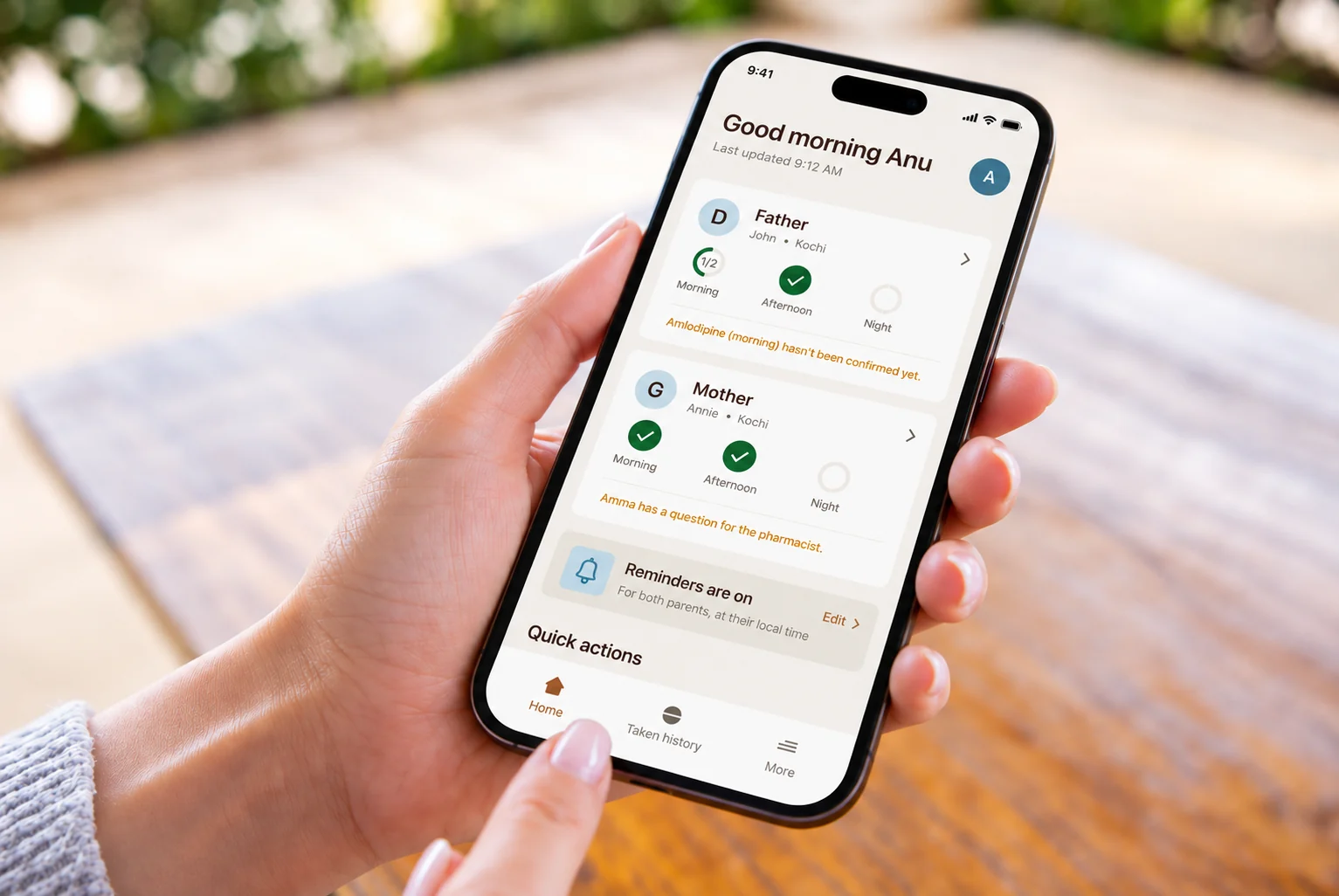
TakenRight
A medication companion that helps elders confirm what they've taken, resolve everyday doubts, and stay independent — while giving families clarity without turning care into monitoring.
A medication companion that helps elders confirm what they've taken, resolve everyday doubts, and stay independent — while giving families clarity without turning care into monitoring.
While doing secondary research for Clodoc, I noticed pharmacists play a role that goes beyond simply dispensing medicine. Around the same time, I watched an elder in my own family struggle with a simple but important question: had they already taken their medicine, or not?
It made me realize that elders living alone need more than reminders — they need certainty, and someone they trust when they're unsure.
That insight led to TakenRight: a medication platform connecting elders, caregivers, and pharmacists through one simple, supportive experience.
The challenge wasn’t only remembering to take medication. It was knowing whether it had already been taken. And solving doubts and uncertainty related to daily medication in elders living alone
How might we help an older person feel sure about their medication, without making them more dependent on family?
Watched an elder in my own family second-guess a dose they'd probably already taken — and quietly let the doubt go rather than ask.
Found that reminder and elder-support apps are already a mature category in the US and Europe — a reflection of nuclear households and independent elder living already being the norm there.
Most products help people remember to take medication. TakenRight focuses on what happens when they're unsure.
India's traditionally joint-family model is nuclearizing fast, driven by educated children migrating for better jobs and rising chronic conditions among the elderly — confirmed by ageing-survey data.
Secondary research helped identify the opportunity. I then used informal conversations to understand how elders and adult children currently handle medication uncertainty. The next step is structured validation with more participants and pharmacists.
The important moment isn't always before taking medication. It can happen afterward, when someone can't remember whether they took it.
When unsure, an older adult may rely on their children for confirmation. But family members may not always be available.
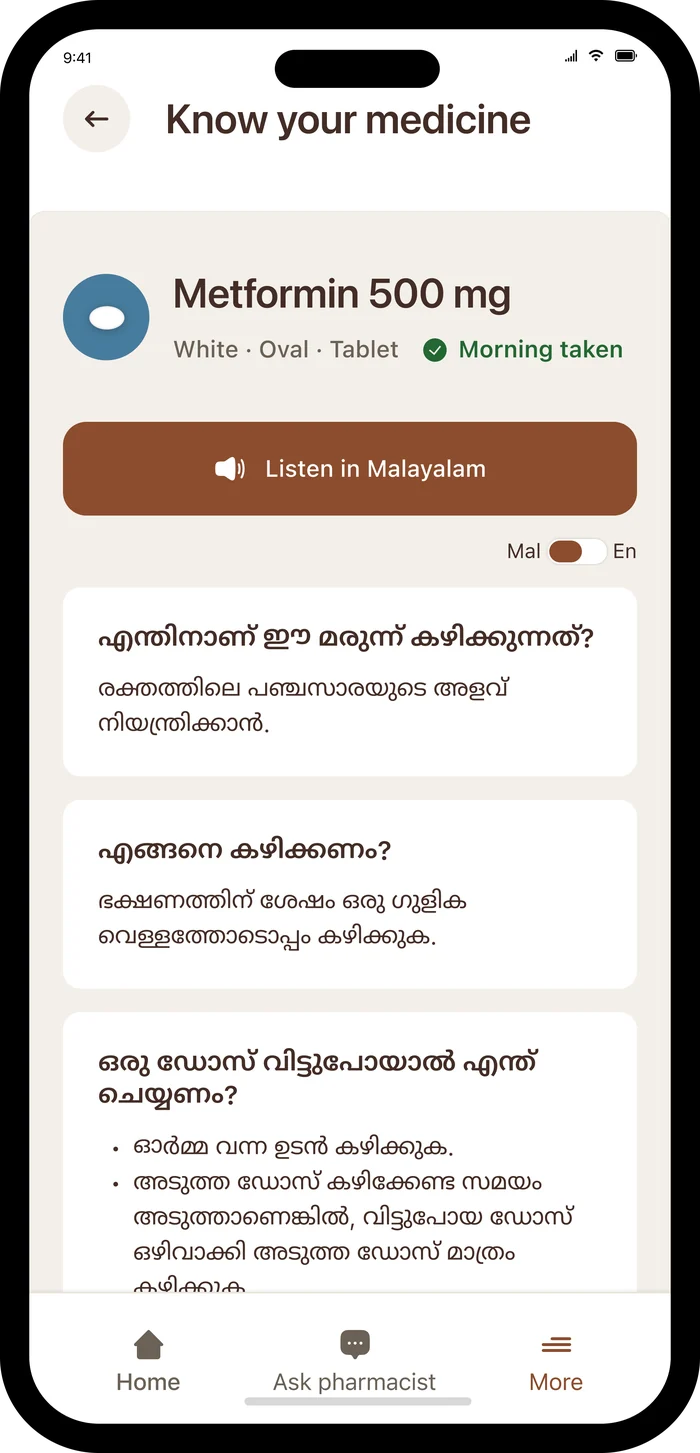
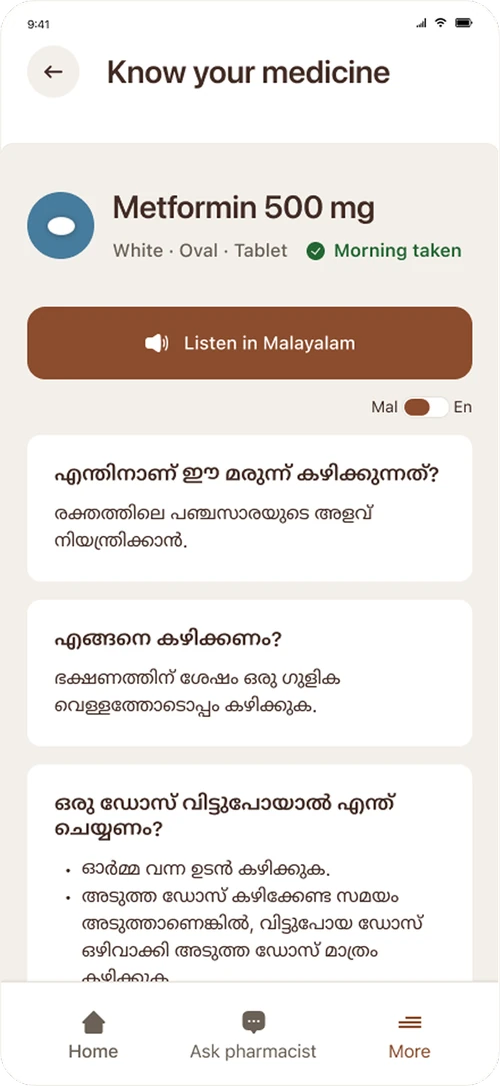
Knowing what a medicine is for can reduce uncertainty and help someone make sense of their medication routine.
The goal isn't to make caregivers monitor every dose. It is to give older adults enough clarity to handle everyday decisions themselves.
These principles became the filter for the product decisions that followed.
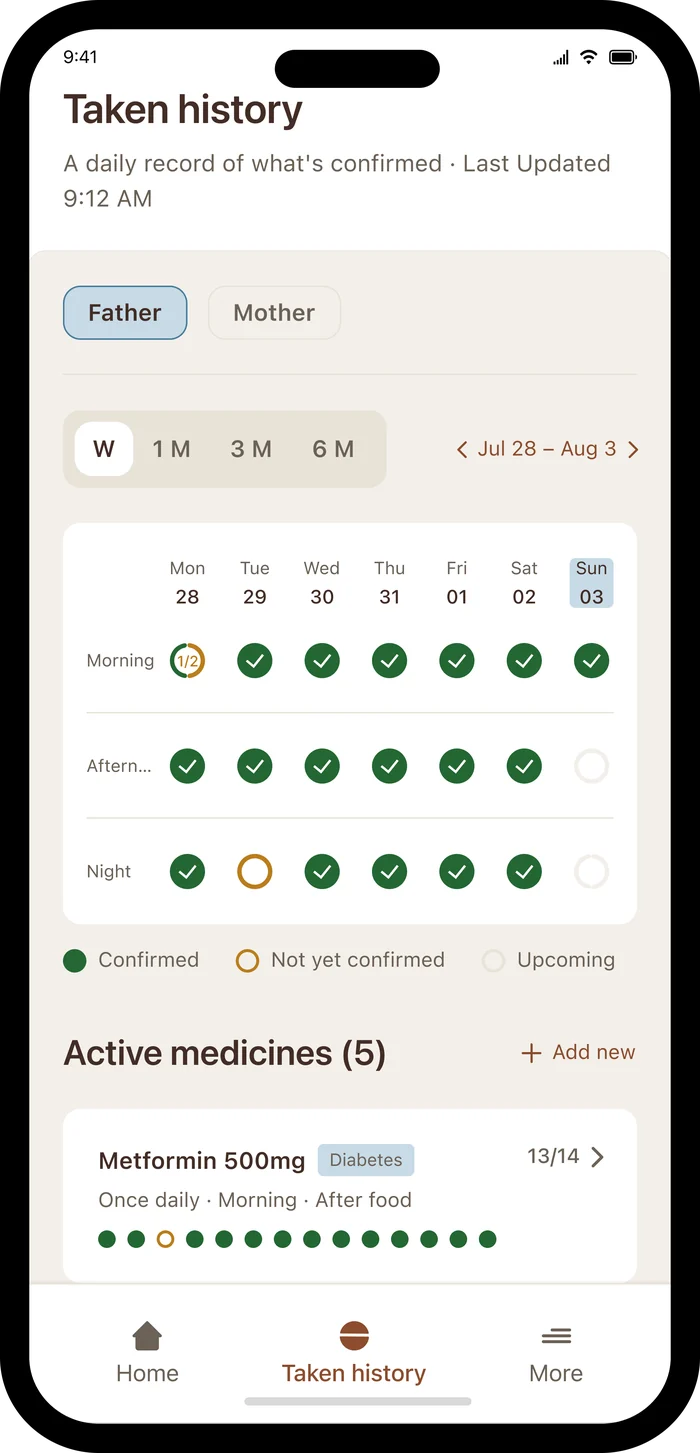
Users should quickly understand what is due, completed or missed.
Medication is part of an existing routine, so interactions should require minimal effort.
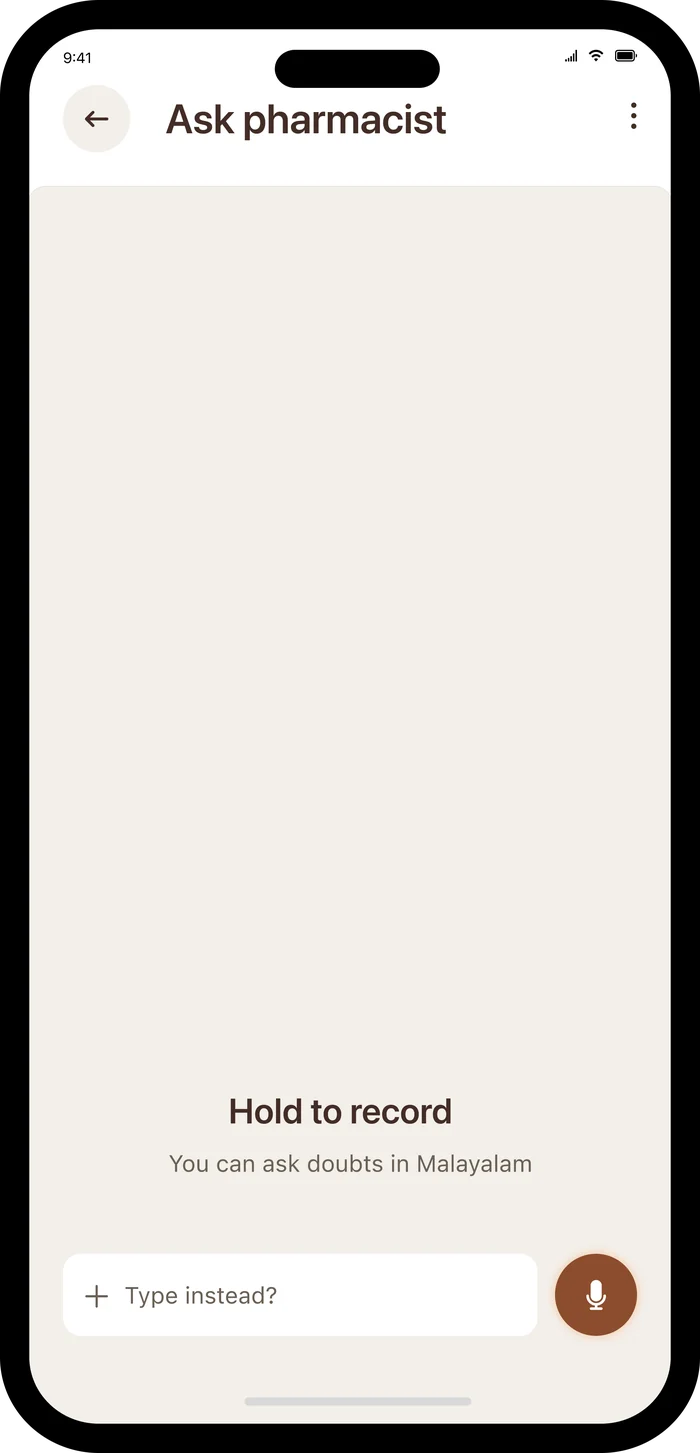
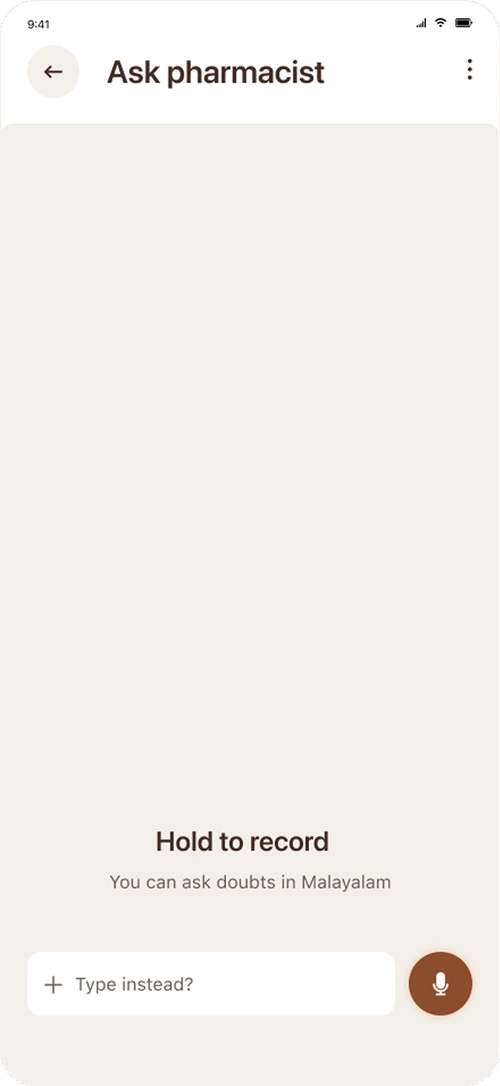
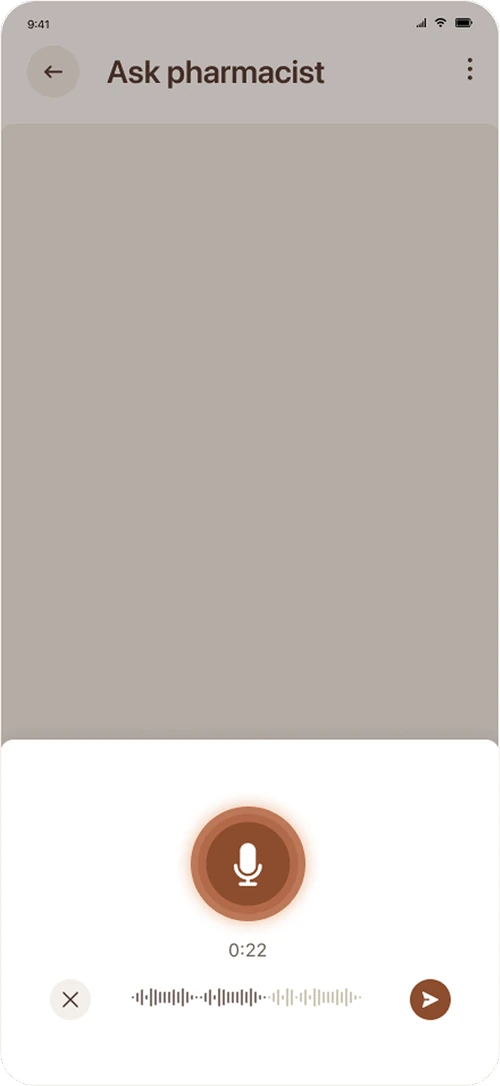
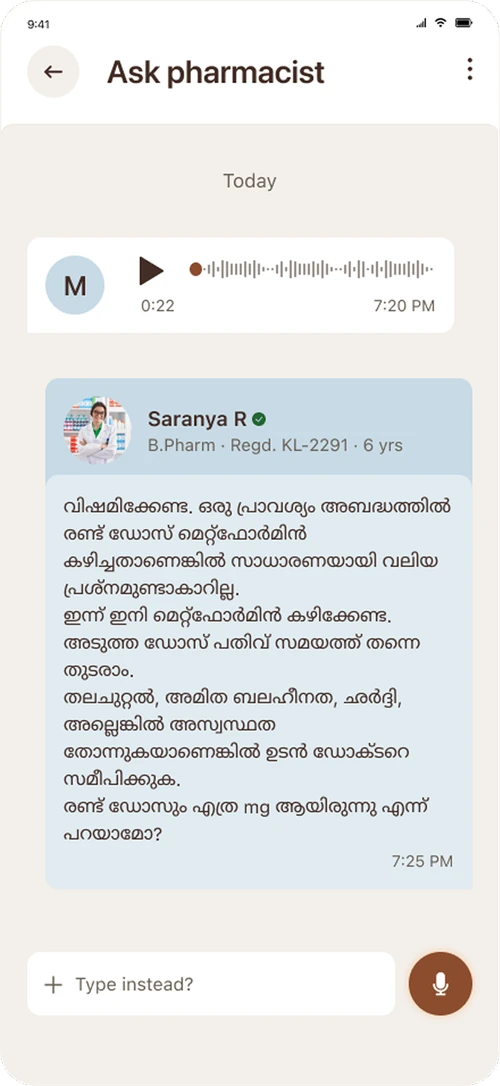
Help should be available without making family members part of every medication decision.
Ideated the screens based on the principles - clarity, simplicity and autonomy
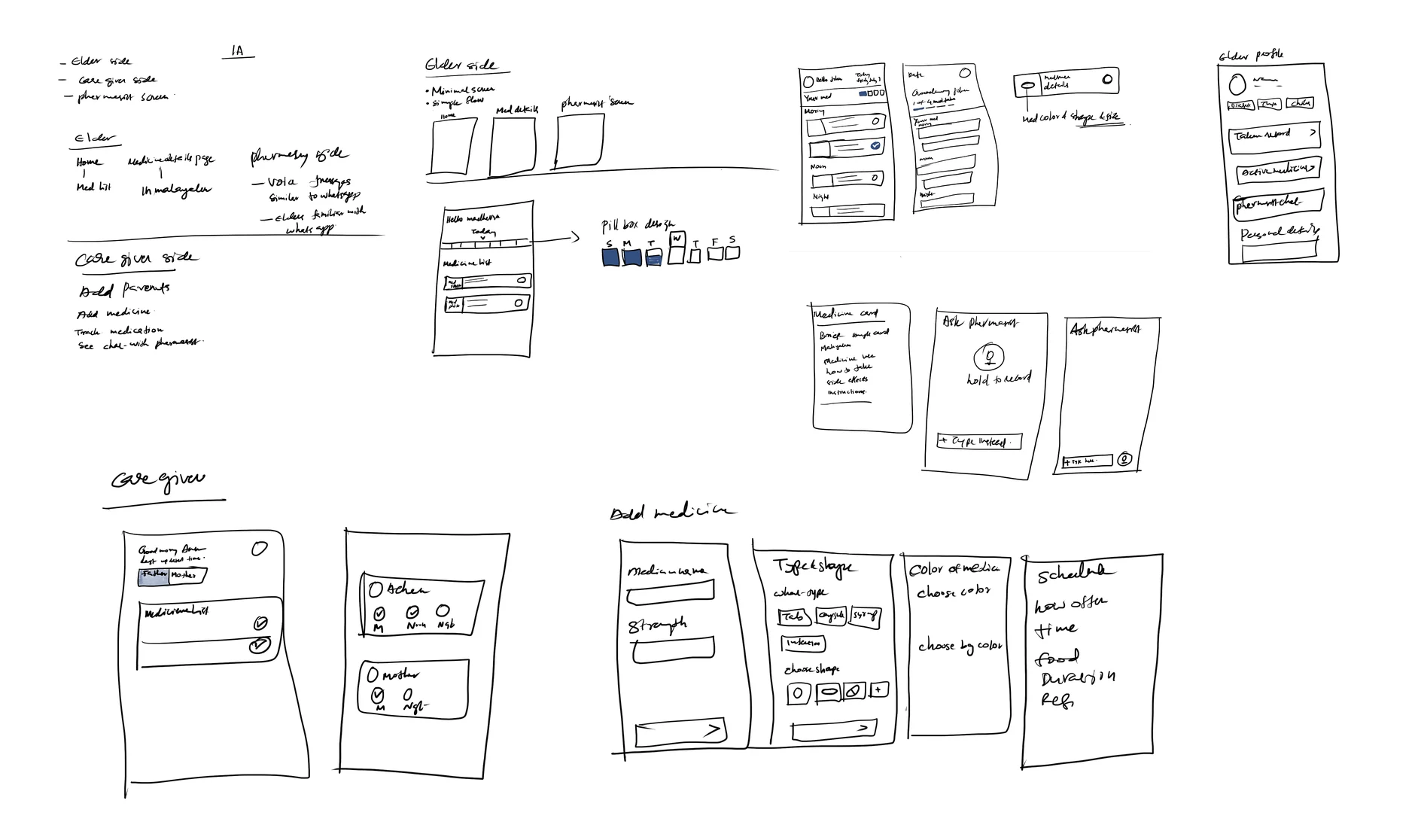
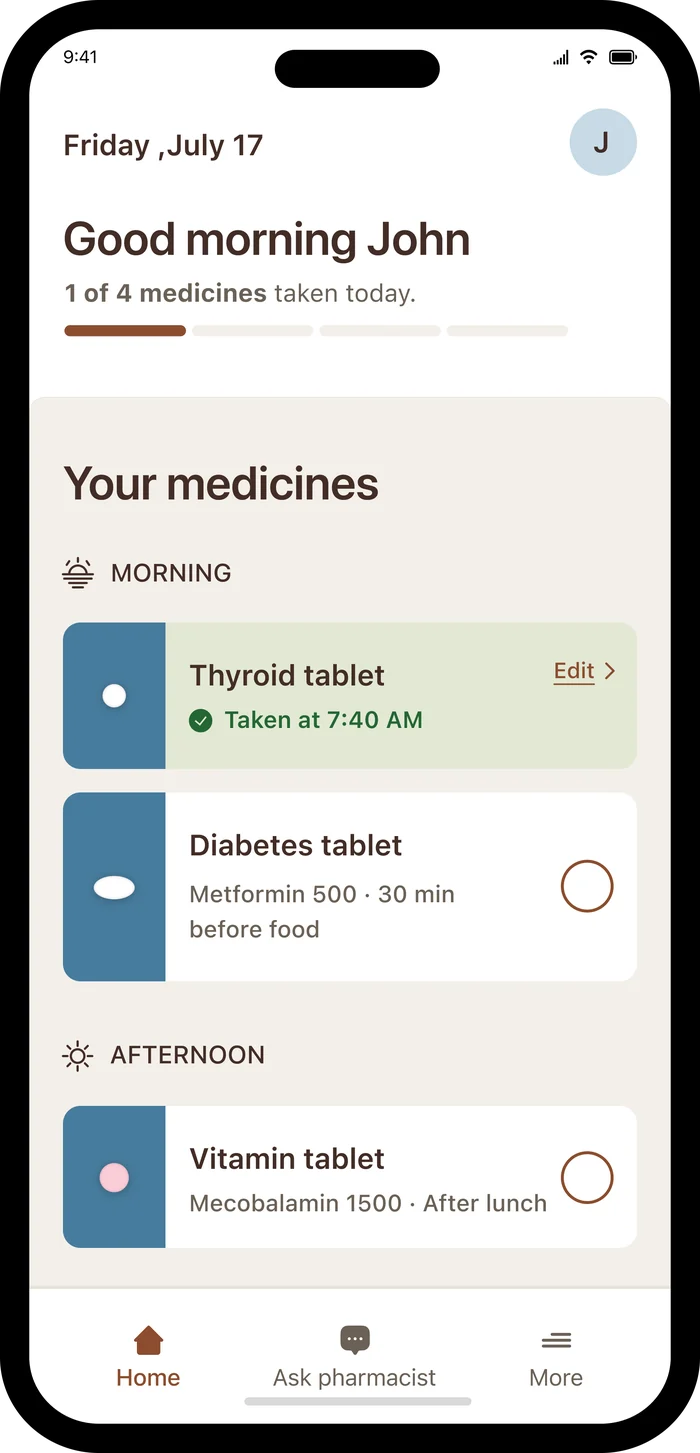
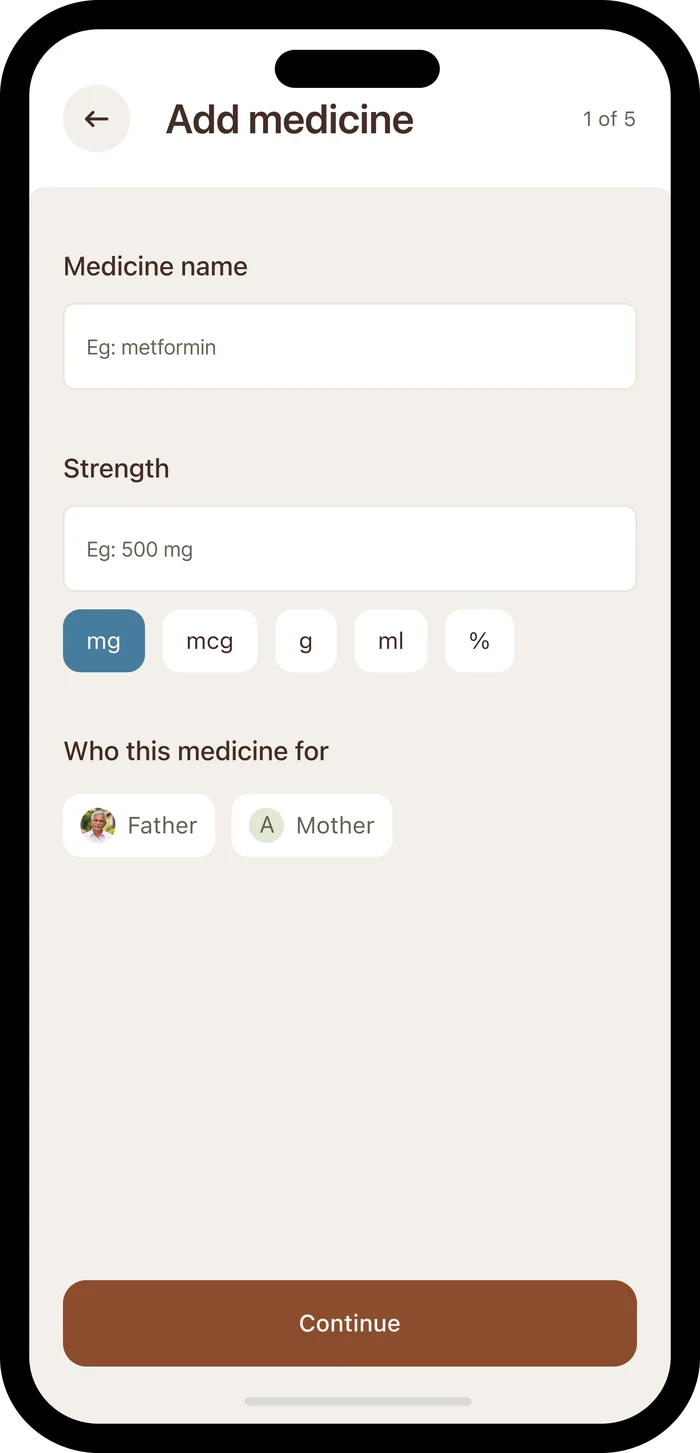
TakenRight has two connected experiences: the older adult who needs certainty, and the caregiver who needs reassurance without monitoring.
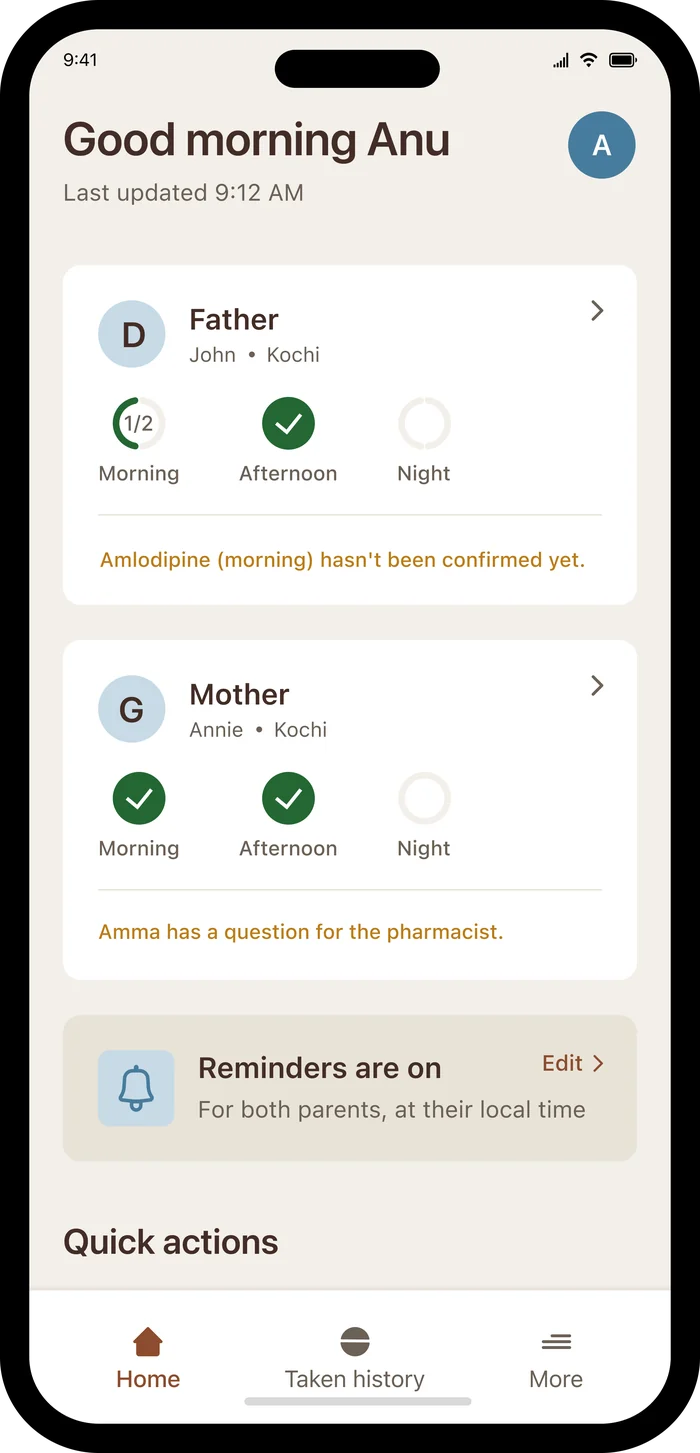
The caregiver shouldn't need to manage every dose. They need enough visibility to know: “Is everything generally on track?”
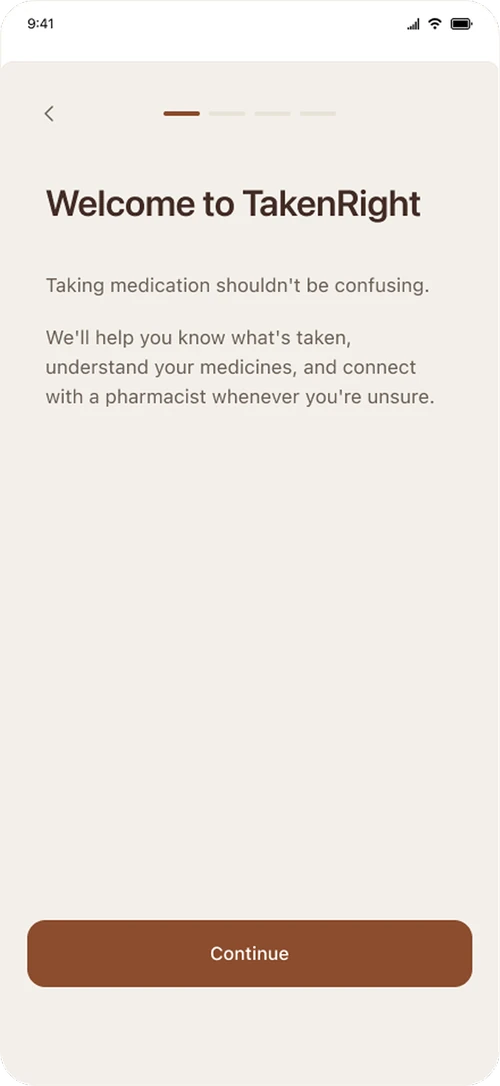
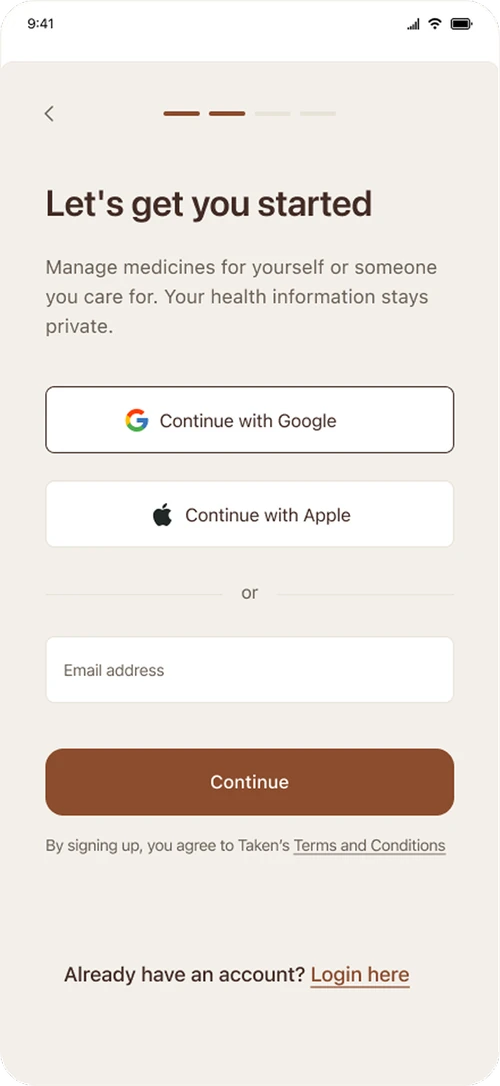
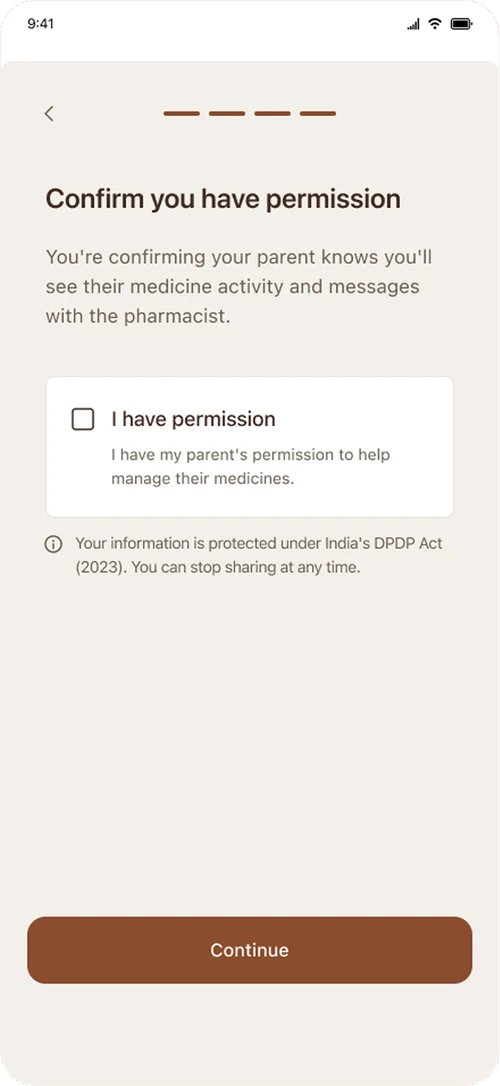
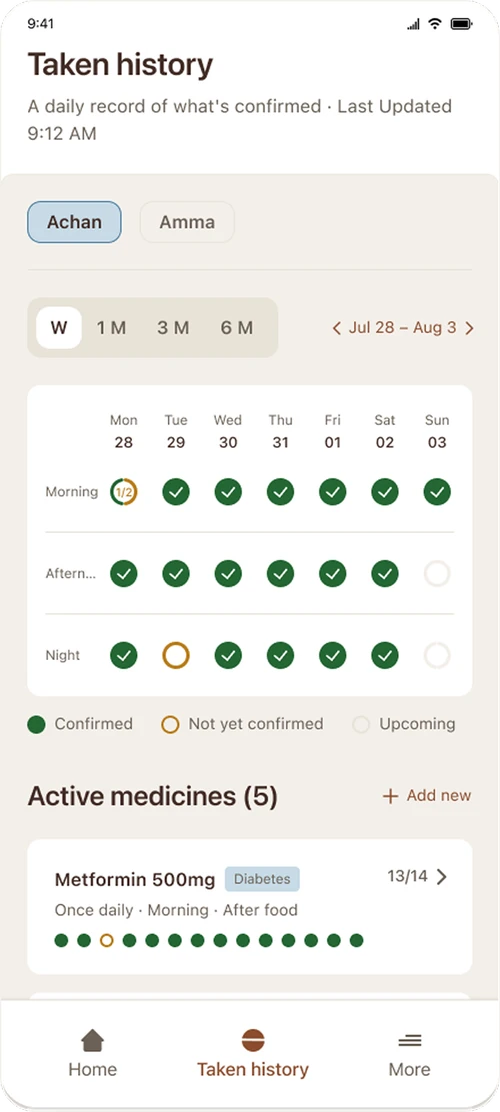
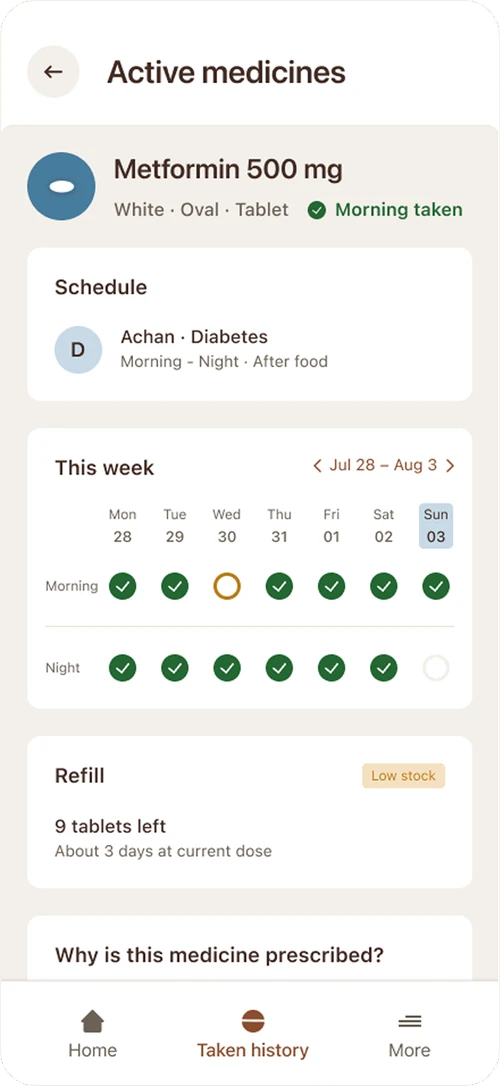
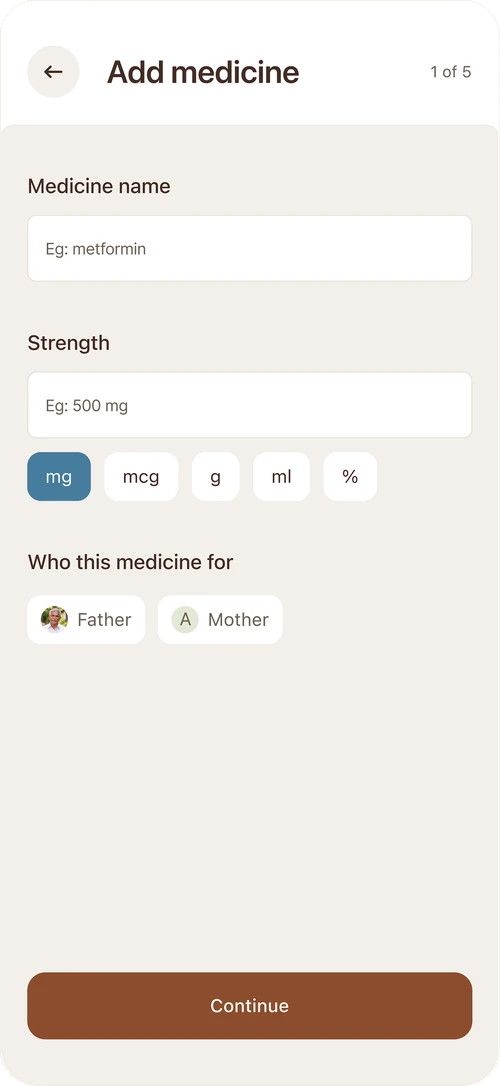
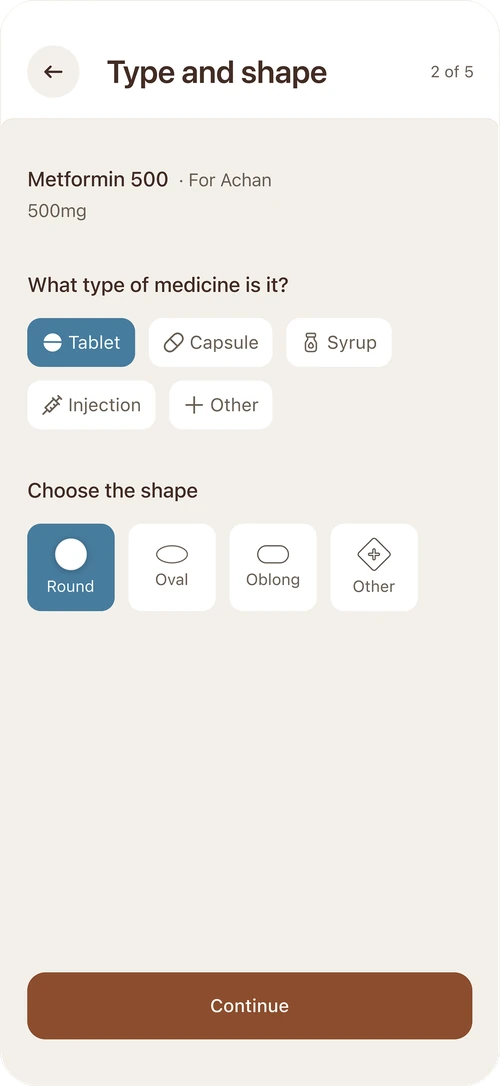
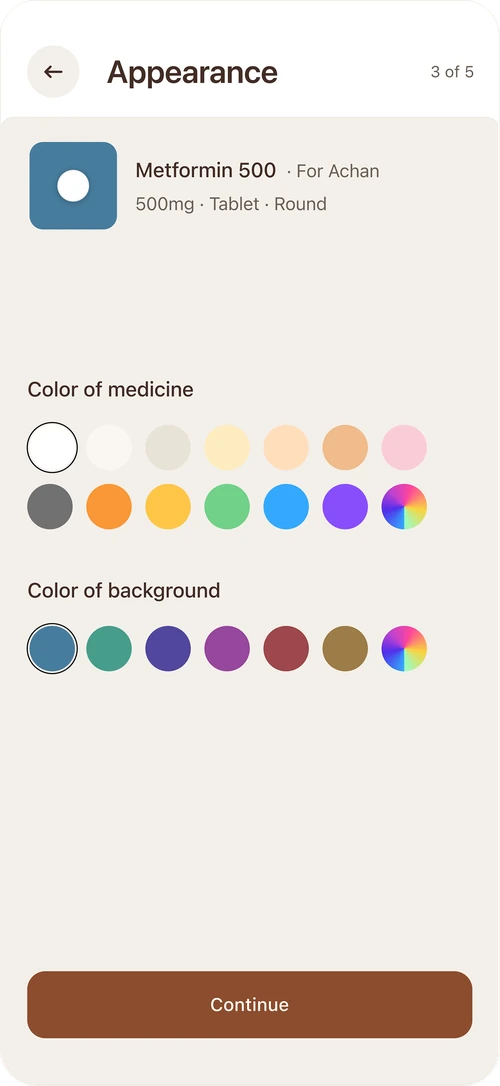
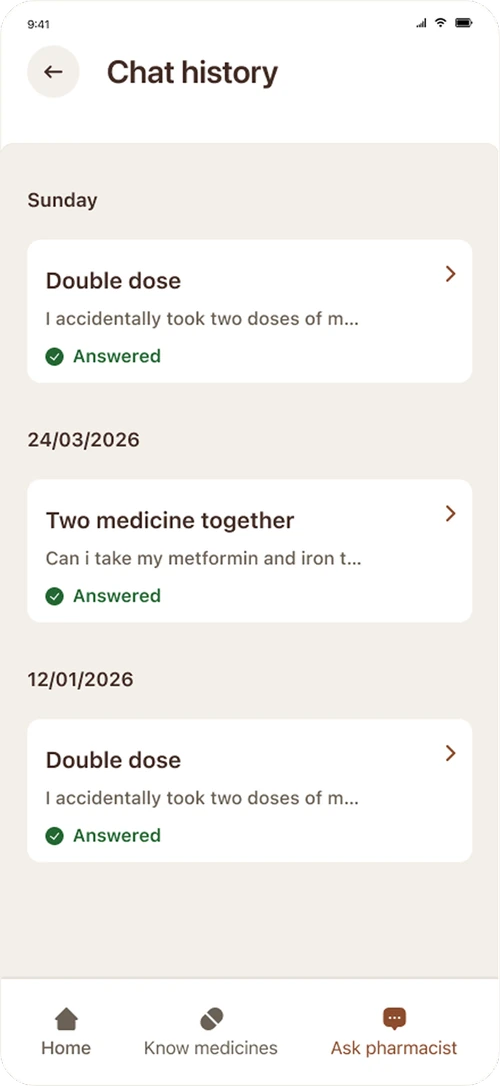
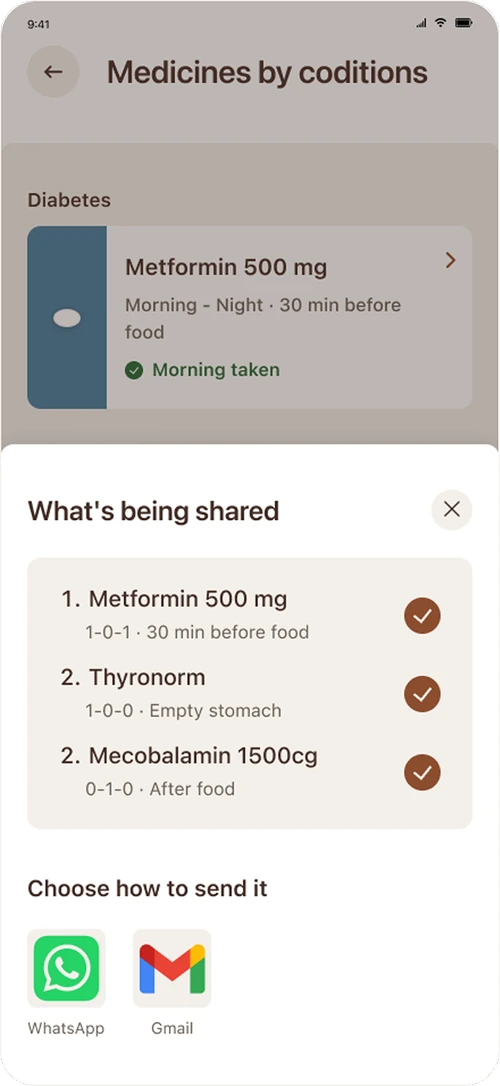
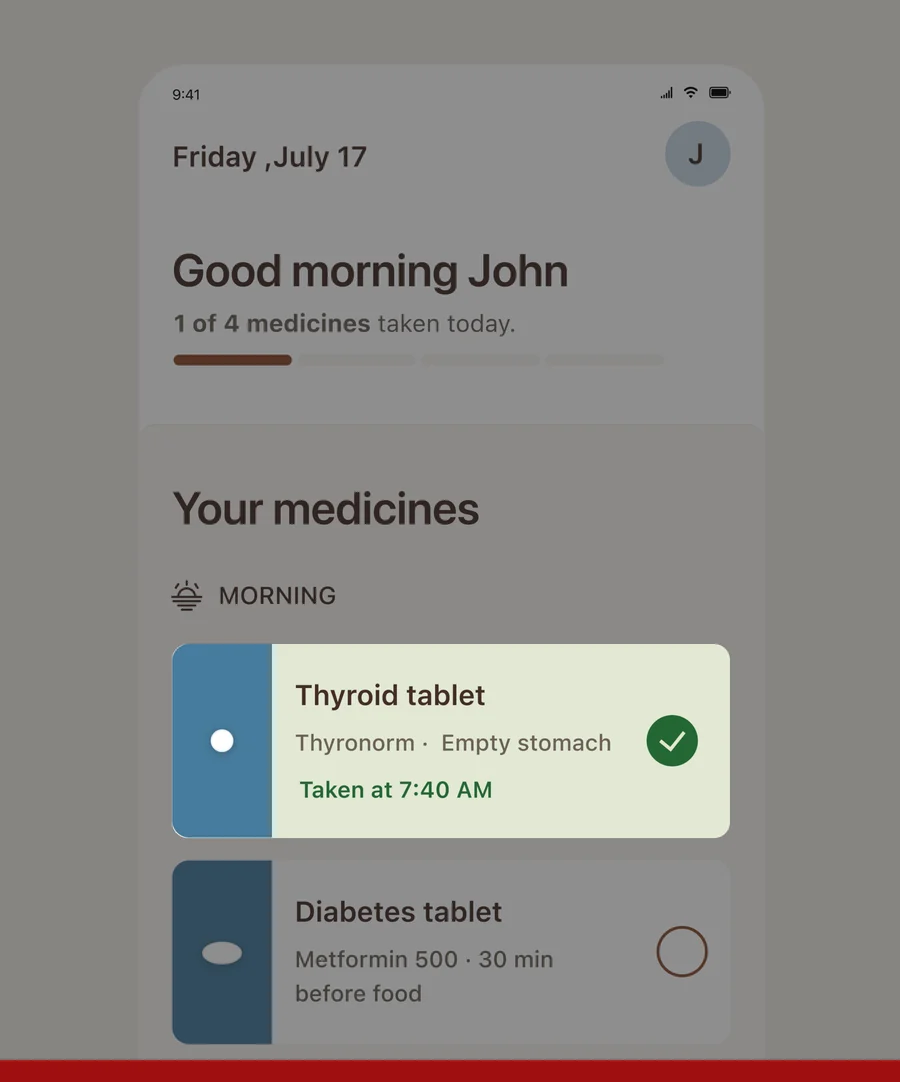
The first version allowed a single tap to change medication status. This made accidental confirmation possible.
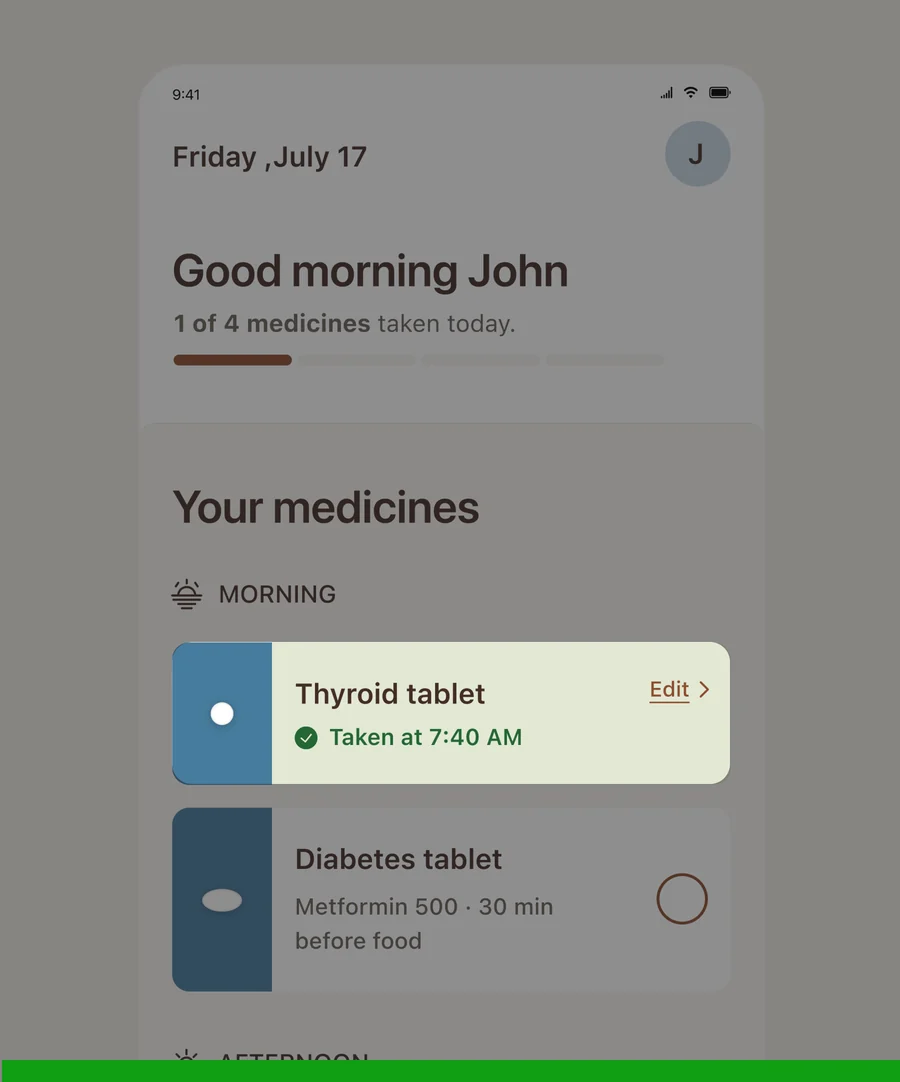
Viewing a status was separated from changing it. The updated flow requires an additional confirmation step and offers an Edit option for recovery — making an important action intentional without complicating the overall flow.
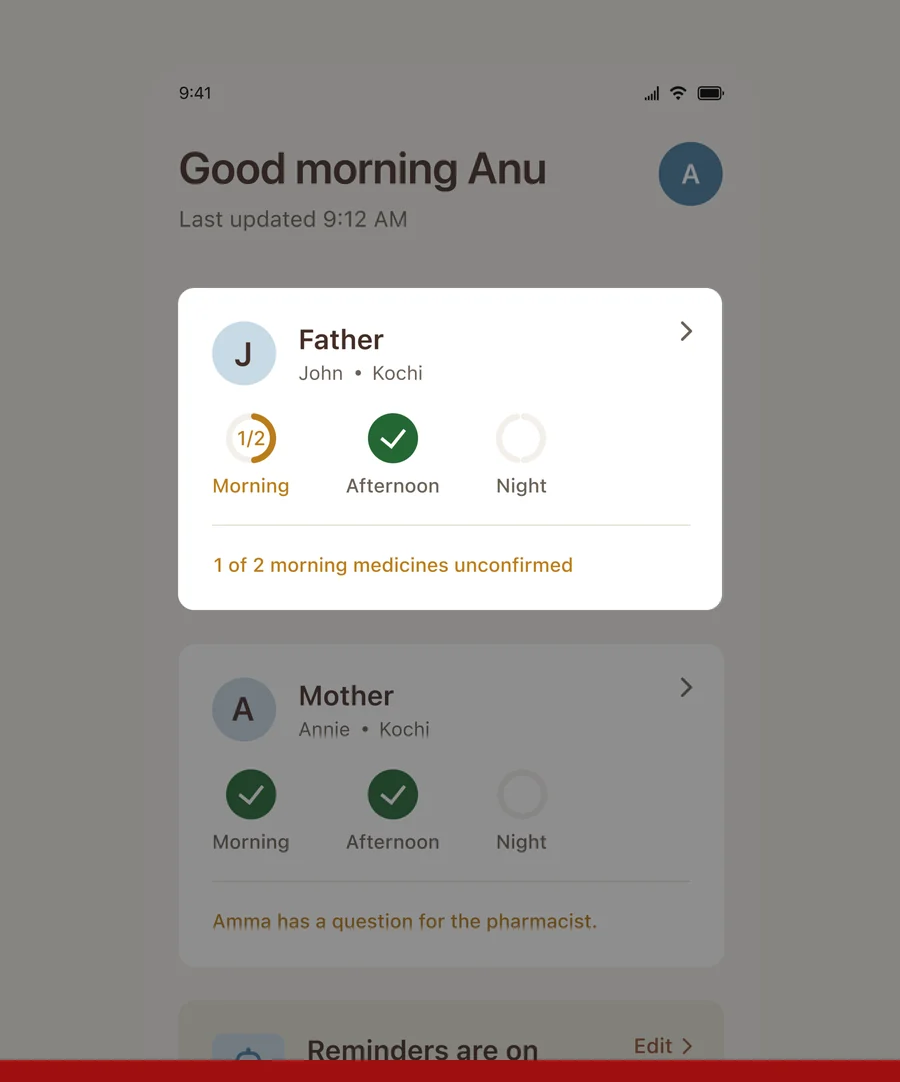
When two medicines were shown together, testers weren't always sure which one was still unconfirmed.
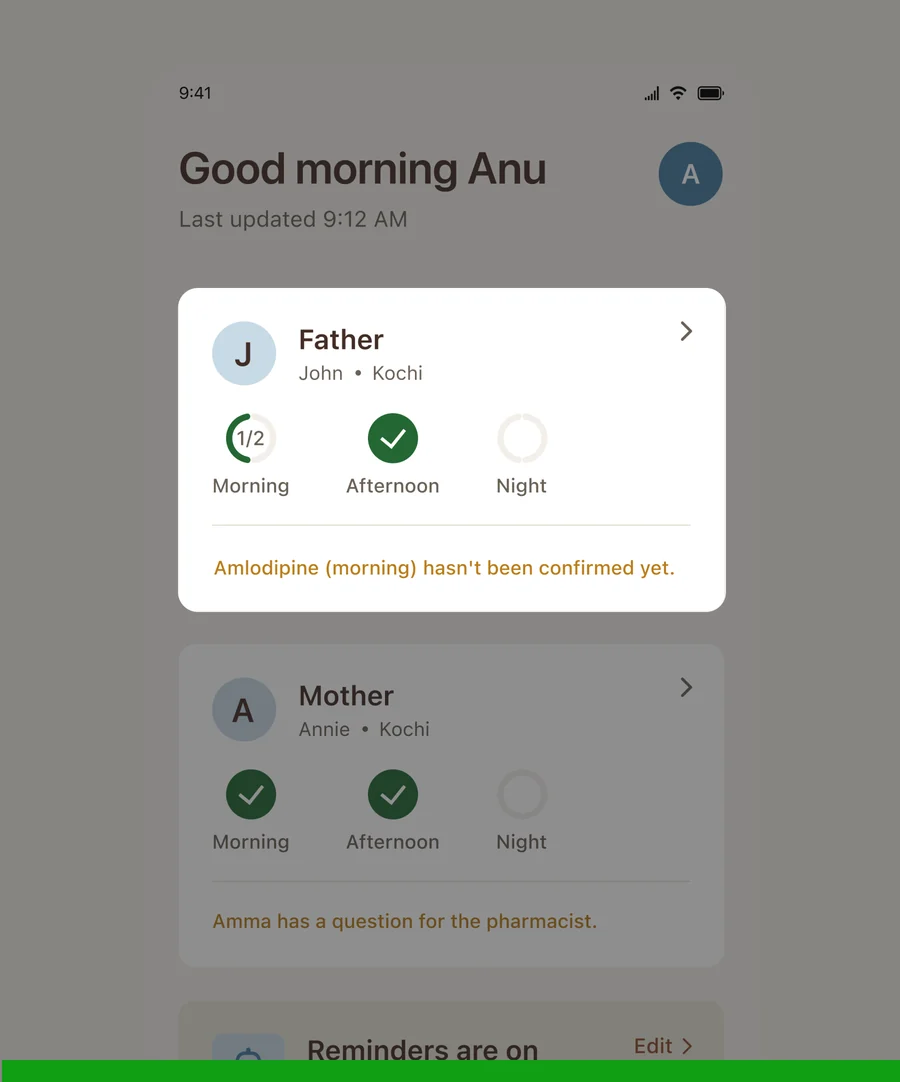
The unconfirmed medicine was named explicitly, and the visual distinction between confirmed and incomplete states was strengthened — reducing the need for users to interpret status themselves.
People don't always need another reminder. Sometimes they need certainty after the reminder.
That changed the product from a simple reminder tool into a companion focused on:
TakenRight started as a reminder app. It became a product about certainty.
Know what's taken. Understand why. Ask when you're unsure.
TakenRight